
Calcium chloride — CaCl2 — is how a drilling or completion fluid gets weight without solids and inhibition without polymer. It is the salt behind most clear brines, the internal phase of almost every invert emulsion mud, and the fastest way to stop a reactive shale from swelling. RAHA Gilsonite Co. supplies drilling-grade calcium chloride as white granular anhydrous material at 94 per cent minimum, with a batch certificate of analysis on every shipment.
What calcium chloride does in a drilling fluid
Calcium chloride is not a viscosifier and not a fluid loss additive. It is a soluble salt, and everything it does follows from two properties: it dissolves to a dense solution, and the calcium ion it releases is divalent.
1. It builds density without adding a single solid
A barite-weighted mud carries suspended solids, and solids are what damage a producing formation and plug perforations. A brine carries its weight in solution. Calcium chloride is the workhorse single-salt brine because it reaches roughly 11.6 pounds per gallon — about 1.39 specific gravity — where sodium chloride runs out of road at around 10.0 and potassium chloride lower still.
That is why completion and workover fluids, packer fluids and drill-in fluids are so often calcium chloride brine. Above 11.6 pounds per gallon the answer stops being calcium chloride alone and becomes a blend with calcium bromide.
2. It stops reactive shale from swelling
Sodium-rich clays swell because the sodium ion holds a loose, hydrated layer between the clay platelets. The calcium ion is divalent, binds the platelets more tightly and exchanges readily with sodium, which collapses the spacing and stops the clay taking on water. This is the whole basis of lime and gypsum mud systems, and it is why a calcium chloride brine drills a reactive section that fresh water would wash out.
Where the formation responds better to potassium, KCl is the alternative, and the two are often run together with a polymer encapsulator.
3. It is the internal phase of oil-based and synthetic mud
This function is the one most product pages leave out, and it is the largest single use of calcium chloride on a rig. An invert emulsion mud is water droplets dispersed in oil, and those droplets are not fresh water — they are calcium chloride brine, typically 25 to 35 per cent by weight.
The concentration is not arbitrary. It sets the water activity of the internal phase, and the mud engineer matches that activity to the activity of the shale being drilled. Match it and water neither leaves the shale nor enters it, so the formation stays mechanically stable. Get it wrong in one direction and the shale dehydrates and fractures; wrong in the other and it hydrates and sloughs. Calcium chloride concentration is the dial that controls it, which is why an invert emulsion job consumes it by the tonne.
4. It keeps fluid liquid in cold conditions
Calcium chloride depresses the freezing point of water dramatically — a solution near 30 per cent stays liquid to roughly minus 50 degrees Celsius. On winter land operations and in cold-climate drilling it is added to surface systems, pits and lines for that reason alone.
5. It accelerates cement
Calcium chloride is the classic cement accelerator, typically at 2 to 4 per cent by weight of cement. It shortens thickening time and develops early compressive strength, which matters on shallow strings and where waiting on cement is expensive. Above about 4 per cent the set becomes difficult to control.
How far calcium chloride brine will take you
Brine selection starts with the density the well needs and ends with what that density costs. Calcium chloride occupies the middle of the range — heavier than the sodium and potassium brines, far cheaper than the bromides.
| Brine | Practical maximum density | Specific gravity | Typical use |
|---|---|---|---|
| Potassium chloride (KCl) | approx. 9.7 lb/gal | 1.16 | Shale inhibition where potassium is preferred |
| Sodium chloride (NaCl) | approx. 10.0 lb/gal | 1.20 | Low-cost brine, salt-saturated systems |
| Calcium chloride (CaCl2) | approx. 11.6 lb/gal | 1.39 | Completion, workover and packer fluids; OBM internal phase |
| CaCl2 / CaBr2 blend | approx. 15.1 lb/gal | 1.81 | Where calcium chloride alone cannot reach the required weight |
These are the practical working maxima the industry quotes, not laboratory limits. Always confirm the mixed density with a mud balance rather than from a table.
Approximate concentration for a given density
| Target density | Specific gravity | Approximate CaCl2 by weight |
|---|---|---|
| 9.0 lb/gal | 1.08 | approx. 12% |
| 10.0 lb/gal | 1.20 | approx. 26% |
| 11.0 lb/gal | 1.32 | approx. 33% |
| 11.6 lb/gal | 1.39 | approx. 38% |
Indicative figures for mixing planning only. Actual concentration depends on the purity of the salt, the make-up water and the temperature at mixing. Mix to a measured density, not to a calculated weight.
The number that catches people out: crystallization temperature
A brine mixed close to its saturation limit will drop salt crystals out of solution if it gets cold enough. That temperature is the crystallization temperature, and it rises as the brine gets heavier. A fluid that behaves perfectly on a warm pad can crystallise overnight, in a cold riser, or on the seabed — and crystallised salt plugs lines, chokes filters and changes the density of what is left.
The rule is to specify a crystallization temperature safely below the lowest temperature the fluid will see, including ambient air overnight and the mudline temperature offshore, not just the surface temperature at mixing. Where the required density pushes the crystallization temperature too high, the answer is a blended brine rather than pushing single-salt calcium chloride to its limit.
Anhydrous or dihydrate: what you are actually buying
Calcium chloride is sold in two commercial forms and the difference is water of crystallisation, not quality. It changes how much of each tonne is active product, and a price comparison that ignores it is meaningless.
| Property | Anhydrous | Dihydrate |
|---|---|---|
| Typical assay | 94–97% CaCl2 | 74–77% CaCl2 |
| Usual physical form | Granules, prills or powder | Flakes |
| Active product per tonne | Roughly 940–970 kg | Roughly 740–770 kg |
| Heat released on dissolving | Strongly exothermic | Mildly exothermic |
| Freight per tonne of active | Lower — you are not shipping water | Higher |
One tonne of anhydrous material delivers roughly the same active calcium chloride as 1.25 tonnes of flake. On a long haul to a rig site that difference shows up in the freight bill before it shows up anywhere else. The grade supplied here is anhydrous granular at 94 per cent minimum.
Specification: calcium chloride granular 94% min
The figures below are taken from our data sheet for drilling-grade anhydrous calcium chloride. Every consignment ships with a certificate of analysis for that batch.
| Property | Limit | Value |
|---|---|---|
| Calcium chloride (CaCl2), anhydrous | Min | 94.0% w/w |
| Fluoride (F−) | Max | 0.002% w/w |
| Total alkalinity, relative to active CaCl2 | Max | 4.0% w/w |
| Total magnesium (as MgCl2), relative to active CaCl2 | Max | 0.5% w/w |
| Calcium hydroxide, Ca(OH)2, relative to active CaCl2 | Max | 0.15% w/w |
| Appearance | — | White granulated |
| Particle size | — | 1–4 mm |
The magnesium and alkalinity limits are the ones to read for a brine application. Magnesium precipitates as hydroxide when the pH rises and clouds a clear brine; alkalinity and free lime shift the pH of the mixed fluid and can drop calcium out of solution. A general industrial grade is not held to either limit as tightly.
Mixing calcium chloride brine
Add the salt to the water, never water to the salt. Dissolving anhydrous calcium chloride releases a great deal of heat — enough to take a mixing tank well above hand temperature and, in a confined volume, enough to boil. Water poured onto dry granules concentrates that heat at the surface and can spit hot brine out of the vessel.
Add through the hopper with the pump circulating, at a rate the tank can absorb, and let the temperature settle before taking a density reading. Brine mixed hot reads lighter than the same brine cold, so a density checked during mixing will not be the density on the rig floor.
What calcium chloride will not tolerate
Calcium is the ion that soda ash, sodium bicarbonate and sulphate all precipitate. Mixing calcium chloride brine with a carbonate-treated system, or making it up with sulphate-rich water, drops calcium carbonate or calcium sulphate out as a solid — which defeats the point of a clear brine and plugs the filters.
The same applies to pH. Calcium chloride brine runs mildly acidic, and raising the pH with caustic soda precipitates calcium hydroxide. Where both products are in the chemical list, they belong in different parts of the system, not in the same tank.
Corrosion
Calcium chloride brines are corrosive to carbon steel, more so as density and temperature rise, and oxygen entrained during mixing makes it worse. Completion brines are normally run with a corrosion inhibitor and an oxygen scavenger, and the brine should not be left static in tubulars for long periods without that protection.
Safety and handling
Heat on contact with water
Anhydrous calcium chloride dissolves exothermically. Add it to water slowly and never the reverse. Do not add it to a vessel containing hot water.
Skin and eyes
The dry salt draws moisture from skin and causes irritation and burns on prolonged contact; dust irritates eyes and the respiratory tract. Gloves, goggles and a dust mask when handling the solid.
Keep it dry
Calcium chloride is deliquescent — it absorbs enough water from the air to dissolve in it. An open bag turns to slurry. This is the single most common way a consignment is lost.
Ventilation and housekeeping
Mix in open air or under local exhaust. Spilled granules become slippery brine as soon as they pick up moisture, so clear spills dry rather than washing them across the deck.
A safety data sheet is supplied with every shipment and should be read by everyone handling the material. The summary above does not replace it.
Packing, storage and shipping
Packing
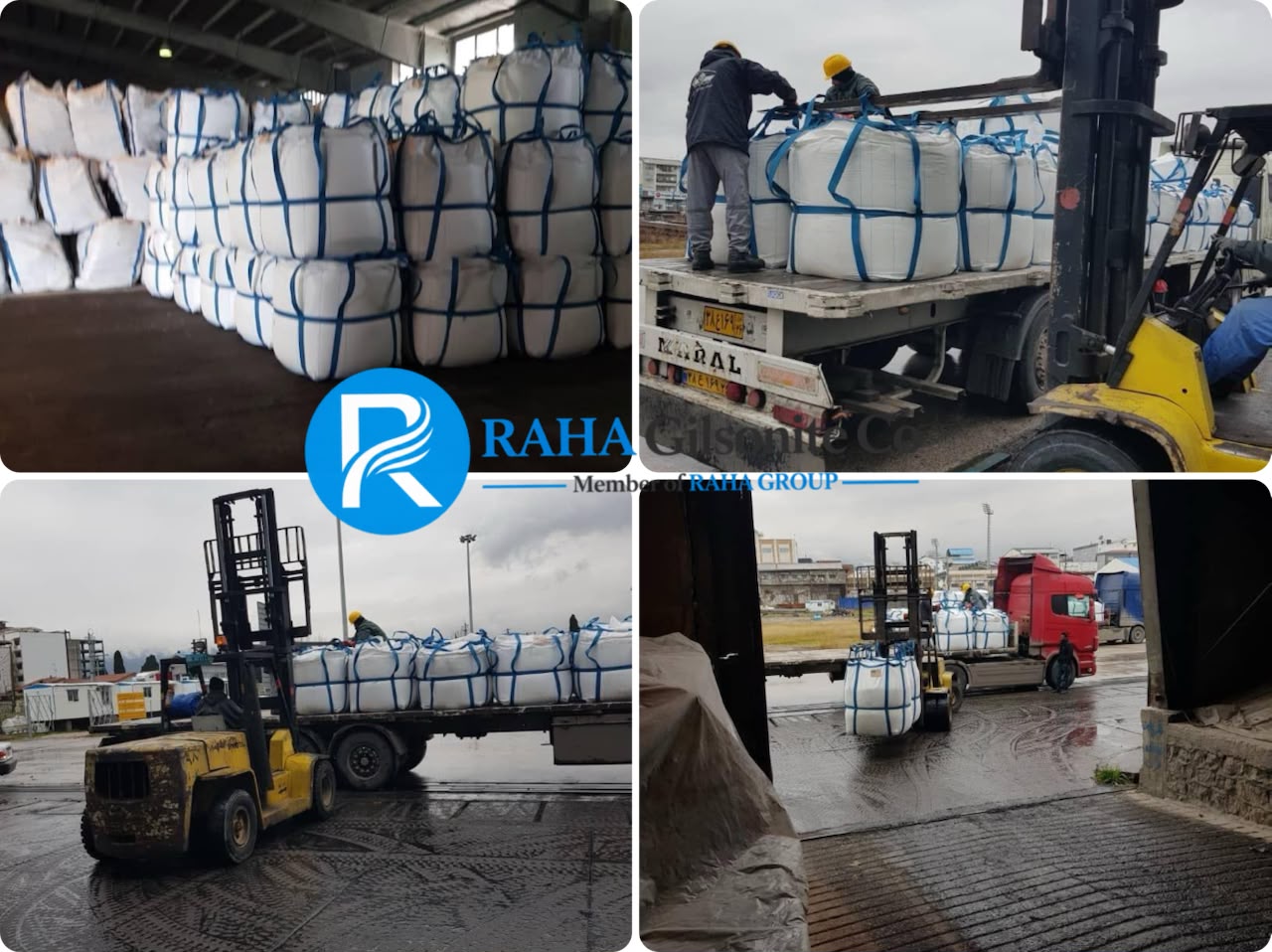
Calcium chloride is supplied in 25 kg polyethylene-lined bags, palletised and shrink-wrapped, or in 1 MT jumbo bags where the destination has the handling equipment. Minimum order quantity is one full 20 foot container. Loading is from Jebel Ali or Mersin on FOB, CFR or CIF terms.
Storage
Store dry, under cover, pallets clear of the ground and every bag sealed. Calcium chloride is more hygroscopic than most drilling chemicals: it does not merely cake in damp air, it liquefies. Humidity, not time, is what ruins a consignment — sealed and dry, the material does not degrade. Keep it away from acids and from strong oxidising agents.
Shipping
Calcium chloride is not classified as dangerous goods for transport, so no UN number or hazard class applies. The HS code is 2827.20. National tariff schedules add further digits, so confirm the full code with your customs broker before shipping.
Frequently asked questions
What calcium chloride does in the fluid
What does calcium chloride do in drilling fluid?
Three main things. It builds density in solution rather than with suspended solids, which is what makes clear completion and workover brines possible. It inhibits reactive shale, because the divalent calcium ion exchanges with sodium in the clay and collapses the spacing that lets the clay swell. And it forms the internal brine phase of oil-based and synthetic mud, where its concentration sets the water activity that keeps the shale stable. It is also used to depress the freezing point of surface systems and as a cement accelerator.
How heavy can a calcium chloride brine be made?
About 11.6 pounds per gallon, or 1.39 specific gravity, as a single-salt brine. Sodium chloride reaches roughly 10.0 and potassium chloride lower. Above 11.6 the standard answer is a calcium chloride and calcium bromide blend, which reaches around 15.1 pounds per gallon.
Why is calcium chloride used in oil-based mud?
Because the water droplets dispersed through an invert emulsion are calcium chloride brine, typically 25 to 35 per cent by weight, and that concentration sets the water activity of the internal phase. The mud engineer matches it to the activity of the shale so water neither leaves the formation nor enters it. Too low and the shale hydrates and sloughs; too high and it dehydrates and fractures. This is the largest single use of calcium chloride on a rig.
Calcium chloride or KCl for shale inhibition?
It depends on the clay. Calcium is divalent and binds clay platelets tightly, which suits lime and gypsum systems and most calcium-tolerant formations. Potassium fits into the clay lattice itself and is often more effective on highly reactive illitic shale, which is why KCl-polymer systems are standard in those sections. Many programmes use both, with a polymer encapsulator alongside.
Grades and specification
What is the difference between anhydrous and dihydrate calcium chloride?
Water of crystallisation. Anhydrous material assays 94 to 97 per cent and is usually granular or prilled; dihydrate assays 74 to 77 per cent and is usually flake. One tonne of anhydrous delivers roughly the same active calcium chloride as 1.25 tonnes of flake, so prices are only comparable once converted to active content, and freight per tonne of active product is lower for anhydrous. Anhydrous also releases much more heat when it dissolves.
Why do the magnesium and alkalinity limits matter?
Because both show up as solids in a fluid that is supposed to be clear. Magnesium precipitates as magnesium hydroxide once the pH rises, clouding the brine. Alkalinity and free lime shift the pH of the mixed fluid and can drop calcium out of solution. A general industrial or de-icing grade is not held to these limits as tightly, which is why a drilling grade is specified separately.
How it behaves with temperature
What is crystallization temperature and why does it matter?
It is the temperature at which salt begins to drop out of a brine as solid crystals, and it rises as the brine gets heavier. Crystallised salt plugs lines, blinds filters and changes the density of the fluid left behind. The crystallization temperature must sit safely below the coldest temperature the fluid will see — overnight air on a cold pad, or the mudline offshore — not just the temperature at mixing.
At what temperature does calcium chloride brine freeze?
Far below water. A solution near 30 per cent by weight remains liquid to roughly minus 50 degrees Celsius, which is why calcium chloride is added to surface systems, pits and lines on winter land operations. Note that freezing point and crystallization temperature are different questions — a heavy brine can drop salt crystals long before it freezes.
Mixing, compatibility and corrosion
How should calcium chloride be mixed?
Add the salt to the water, never water to the salt, through the hopper with the pump circulating. Anhydrous calcium chloride releases a great deal of heat as it dissolves and water poured onto dry granules can boil and spit. Let the temperature settle before taking a density reading, because hot brine reads lighter than the same brine cold.
What should calcium chloride not be mixed with?
Anything that precipitates calcium. Soda ash, sodium bicarbonate and sulphate-rich make-up water all drop calcium carbonate or calcium sulphate out as a solid, which ruins a clear brine and plugs filters. Raising the pH with caustic soda precipitates calcium hydroxide for the same reason. Where both products are on the chemical list they belong in separate parts of the system.
Is calcium chloride brine corrosive?
Yes, to carbon steel, and increasingly so as density and temperature rise. Oxygen entrained during mixing makes it worse. Completion brines are normally run with a corrosion inhibitor and an oxygen scavenger, and brine should not be left static in tubulars for extended periods without that protection.
How much calcium chloride is used as a cement accelerator?
Typically 2 to 4 per cent by weight of cement. It shortens thickening time and develops early compressive strength, which matters on shallow strings and wherever waiting on cement is expensive. Above about 4 per cent the set becomes difficult to control, so the figure is confirmed by thickening-time testing on the actual slurry.
Storage, classification and supply
How should calcium chloride be stored?
Dry, under cover, pallets off the ground and bags sealed. It is deliquescent, meaning it absorbs enough moisture from the air to dissolve in it — an open or torn bag does not cake, it turns to slurry. Humidity rather than time is what ruins a consignment; sealed and dry the material does not degrade. Keep it away from acids and strong oxidising agents.
Is calcium chloride classified as dangerous goods?
No. Calcium chloride is not regulated as dangerous goods for transport, so no UN number or hazard class applies. It is still an irritant that requires gloves, goggles and a dust mask in handling, and a safety data sheet ships with every consignment.
What is the HS code, minimum order quantity and packing?
HS 2827.20 covers calcium chloride. Minimum order quantity is one full 20 foot container. The material ships in 25 kg polyethylene-lined bags, palletised and shrink-wrapped, or in 1 MT jumbo bags where the destination has the handling equipment. Loading is from Jebel Ali or Mersin on FOB, CFR or CIF terms.
Request a quotation for calcium chloride
Tell us the grade and assay you need, the quantity, the packing and the destination port, and we will confirm the specification, lead time and price. If the material is for a brine, say the density you are mixing to and the lowest temperature the fluid will see, because that decides whether single-salt calcium chloride is the right answer. Samples and a certificate of analysis are available on request, and every shipment carries a batch certificate. Independent inspection at loading by SGS, Bureau Veritas, Intertek or the contract surveyor can be arranged at the buyer’s instruction.
Related products: Caustic soda · KCl in drilling · Bentonite for drilling mud · PAC LV · PAC HV · CMC
