
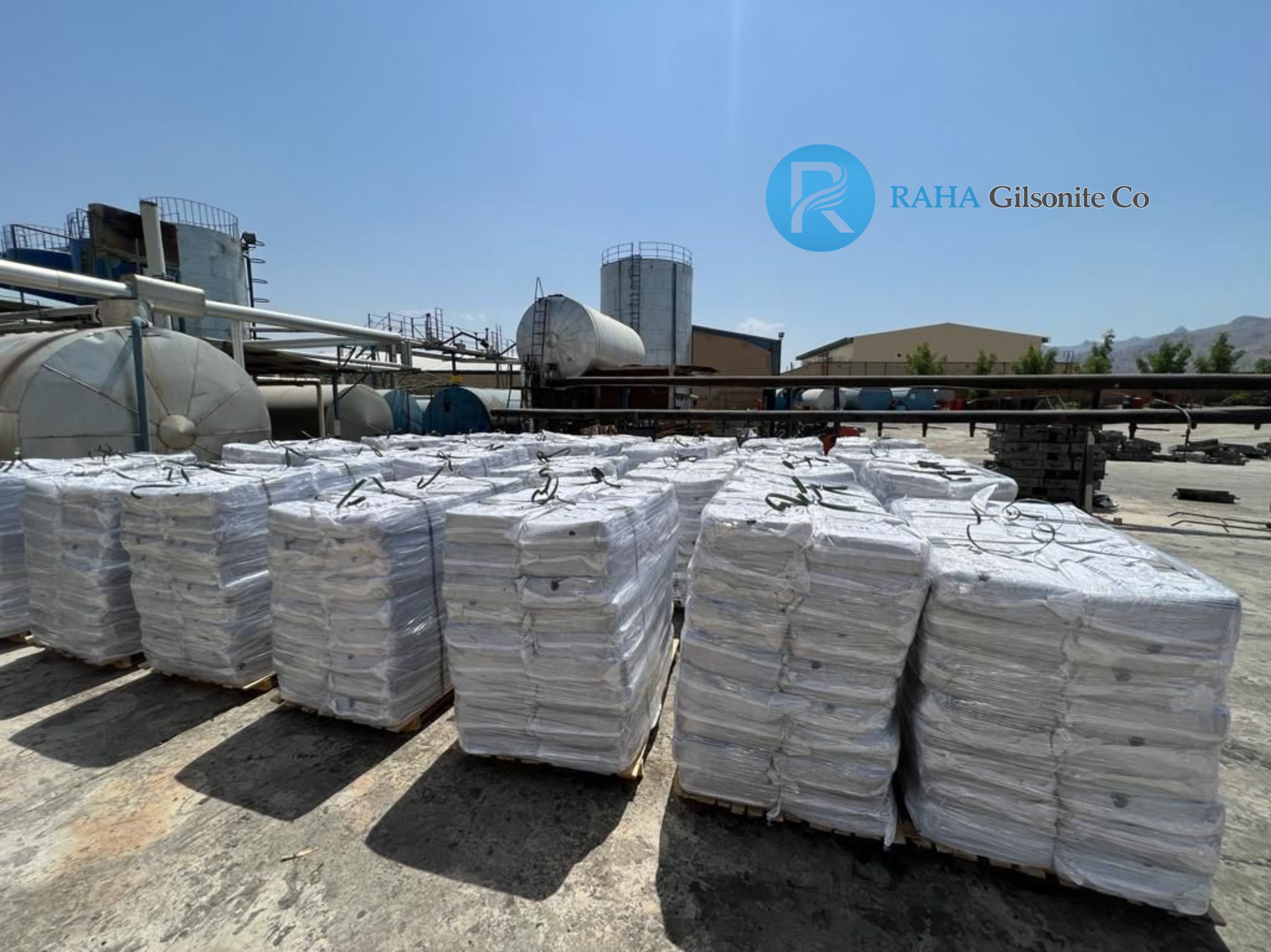
Oxidized Bitumen 115/15 — also referred to as Blown Asphalt 115/15 or Blown Bitumen 115/15 — is a hard-grade industrial bitumen produced through a controlled air-blowing process applied to vacuum-bottom petroleum bitumen at temperatures exceeding 250 °C. The designation “115/15” directly encodes its two defining parameters: a ring-and-ball softening point of 115 °C and a penetration value of 15 dmm at 25 °C — confirming its classification as a high-rigidity, low-thermal-sensitivity binder engineered for demanding industrial, roofing and waterproofing applications.
What is oxidized bitumen 115/15?
Oxidized bitumen is classified by Eurobitume, the European Bitumen Association, as a distinct product category, separate from standard penetration-grade and polymer-modified bitumens. According to Eurobitume’s technical documentation, the air-blowing process alters the physical properties of straight-run bitumen to yield a material suited for specific industrial and roofing applications that conventional paving grades cannot serve.
At the molecular level, the transformation involves a cascade of oxidative reactions. Controlled oxidation converts lighter aromatic and resin components into heavier polar species, with the asphaltene fraction rising substantially — driving the increase in viscosity, hardness and softening point that defines the 115/15 grade. The process is irreversible: it raises the average molecular weight of the binder, increases polar functional group content, reduces plasticity and enhances the gel-like colloidal structure of the material.
The feedstock is typically penetration-grade bitumen 60/70 derived from vacuum-bottom refinery residues. Hot air at controlled pressure is injected through perforated pipes into the bitumen column; as hydrogen atoms in the hydrocarbon molecules combine with oxygen to form water and carbonyl and sulfoxide groups, the material hardens progressively until the target 115/15 specification window is reached.
Key technical properties
The combination of a high softening point (110–120 °C) and a very low penetration value (10–20 dmm) places oxidized bitumen 115/15 at the harder end of the oxidized bitumen spectrum. Its Penetration Index is significantly higher than road-construction grades, reflecting its gel-structured colloidal architecture — a direct consequence of elevated asphaltene content — which confers low thermal susceptibility.
-
Thermal stability
Remains dimensionally stable at surface temperatures encountered in hot-climate roofing and pipeline environments. Critical for installations in the Middle East, South Asia and sub-Saharan Africa where surface temperatures regularly exceed 60 °C.
-
Chemical resistance
Strong resistance to acids, alkalis and salts — suitable for harsh chemical environments including industrial flooring, pipeline coatings and marine applications.
-
Waterproofing performance
Completely waterproof with a chemically stable composition, giving long-lasting protection against moisture infiltration in both below- and above-grade construction.
-
Superior adhesion
Strong adhesive properties make it effective in binding materials together in roofing, industrial and construction assemblies.
-
Long-term durability
High resistance to ageing and environmental degradation ensures reliable performance in exposed and buried applications alike.
-
Low thermal susceptibility
Consistency changes less across the service temperature range than a penetration grade of equivalent stiffness, which is what makes it dimensionally reliable on a hot roof.
International standards compliance
Oxidized bitumen 115/15 supplied by RAHA Gilsonite is manufactured and tested against the following internationally recognised frameworks.
| Standard | Covers |
|---|---|
| ASTM D36 | Softening point by ring and ball |
| ASTM D5 | Penetration of bituminous materials |
| ASTM D113 | Ductility of asphalt materials |
| ASTM D92 | Flash and fire points by Cleveland open cup |
| ASTM D6 | Loss on heating of oil and asphaltic compounds |
| ASTM D2042 | Solubility in trichloroethylene |
| BS EN 13304:2009 | Framework for specification of oxidised bitumens |
About BS EN 13304:2009
This is the governing European standard published by the British Standards Institution and adopted identically across EU and EEA member states as DIN EN 13304 in Germany, NS EN 13304 in Norway and EVS EN 13304 in Estonia. It provides the definitive framework for the specification of oxidised bitumens used mainly in roofing, waterproofing, adhesives, and thermal and phonic insulation. Products are graded by a combination of ring-and-ball softening point and penetration at 25 °C, expressed as multiples of 5 — making 115/15 a fully compliant, standard-defined grade within this European framework. The standard is available through EN Standard, and the underlying test methods are maintained by ASTM International.
Production process
| Stage | What happens | Why it matters |
|---|---|---|
| 1. Feedstock selection | Vacuum-bottom residue from petroleum vacuum distillation is selected as the base material | Only crudes with suitable paraffinic-to-naphthenic composition yield an oxidized product with stable 115/15 characteristics |
| 2. Pre-heating | Base bitumen heated to 220–260 °C inside a controlled blowing tower | Temperature uniformity ensures consistent asphaltene polymerisation throughout the batch |
| 3. Controlled air injection | Hot compressed air injected through perforated pipes at the base of the oxidizer | Oxygen reacts with hydrocarbon chains, triggering dehydrogenation, ketone formation and asphaltene polymerisation |
| 4. QC monitoring | Batch-level softening point and penetration testing throughout the blowing cycle | Production stops only when both parameters fall simultaneously within the 115/15 window |
| 5. Packing and inspection | Product decanted into drums, kraft bags or polyamide bags under temperature control | A third-party international inspector verifies quality and quantity at loading |
Applications of oxidized bitumen 115/15
Bitumen has over 250 known applications globally, with oxidised grades serving primarily the industrial, roofing and waterproofing sectors — distinct from penetration grades used in road paving. Oxidized bitumen 115/15 covers the following areas.
-
Construction and waterproofing
- Waterproofing membranes for flat and low-slope roofs
- Below-grade damp-proofing for foundations and basements
- Bridge deck and tunnel waterproofing systems
- Reservoir, dam and hydraulic structure lining
- Expansion joint filling and crack repair in concrete
- Eco-roofing and roof garden substrate waterproofing
-
Industrial and pipeline
- Anti-corrosion pipe coating for oil and gas pipelines
- Electric cable joint protection and insulation
- Bituminous marine mastic for offshore and port work
- Industrial flooring in factories and warehouses
- Piling anti-slip layer compound
- Transformer and electrical component insulation
-
Roofing and insulation
- Roofing felt manufacture and lamination
- Sound-dampening and phonic insulation underlay felts
- Thermal insulation membrane production
- SBS-modified membrane bonding compound
- Bituminous membrane sheet production
-
Automotive and specialty
- Vehicle underbody and undercarriage sealants
- Carpet backing and synthetic turf base
- Asphalt-based metal corrosion protection paints
- Adhesive bonding in electrical laminates
- Paper, pulp, board and textile processing
- Sealing compounds for batteries and accumulators
Technical specification sheet
| Property | Test method | Specification |
|---|---|---|
| Penetration @25 °C, 100 g, 5 s (0.1 mm) | ASTM D5 / EN 1426 | 10–20 |
| Softening point, ring & ball (°C) | ASTM D36 / EN 1427 | 110–120 |
| Ductility @25 °C (cm) | ASTM D113 | ≥ 2 |
| Loss on heating (wt %) | ASTM D6 | ≤ 0.2 |
| Flash point, Cleveland open cup (°C) | ASTM D92 | ≥ 230 |
| Solubility in trichloroethylene (wt %) | ASTM D2042 | ≥ 99 |
| Density @25 °C (g/cm³) | ASTM D70 | ≈ 1.05 |
| Spot test | AASHTO T102 | Negative |
| Appearance | Visual | Black solid / semi-solid |
| European standard compliance | BS EN 13304:2009 | Compliant |
All values are guaranteed by batch-level QC testing. Third-party international inspection is available at time of loading. Full TDS and MSDS documentation provided on request.
Melting and application temperatures
| Operation | Temperature | Notes |
|---|---|---|
| Melting | 180–205 °C | Indirect heating only. Melt the full charge and homogenise before drawing off |
| Pumping | 190–210 °C | Lines and pumps must be heat traced or the material will set in them |
| Application / coating | 200–225 °C | Working window is short. Plan the transfer before heating begins |
| Absolute maximum | 230 °C | Must not be exceeded. Above this the material cokes and the softening point drifts |
| Hot holding | Not recommended | Melt per batch. Prolonged holding hardens the grade further |
Safe handling note. The maximum safe handling temperature is 230 °C and must not be exceeded. Because bitumen is a poor conductor of heat, the heating phase of packaged material must be carefully controlled to prevent localised overheating. Packaged product is typically heated and melted in site boilers prior to application. If the material foams, spits or crackles as it heats, water is present — stop heating rather than trying to drive it off. Handling guidance is published by Eurobitume and the Asphalt Institute.
How 115/15 compares with the other oxidized grades
Reading down this table is the quickest way to confirm whether 115/15 is the grade your specification needs.
| Grade | Softening point | Penetration | Class | Principal use |
|---|---|---|---|---|
| 150/5 | 145–155 °C | 0–10 dmm | Hardest | Electrical compounds, battery sealing, pipe enamel, rubber |
| 115/15 | 110–120 °C | 10–20 dmm | Hard | Waterproofing, adhesives, sealing compounds, pipe coating |
| 105/35 | 100–110 °C | 30–40 dmm | Medium | Roofing felt, membrane, general adhesive work |
| 105/15 | 100–110 °C | 10–20 dmm | Hard | Sealing, jointing, industrial mastics |
| 95/25 | 90–100 °C | 20–30 dmm | Medium | Roofing membrane, damp proofing |
| 90/40 | 85–95 °C | 35–45 dmm | Softer | Roofing felt, membrane in cooler climates |
| 90/15 | 85–95 °C | 10–20 dmm | Medium | Adhesive and sealing work |
| 90/10 | 85–95 °C | 5–15 dmm | Hard | Pipe coating, industrial compounds |
| 85/40 | 80–90 °C | 35–45 dmm | Softer | Membrane, roofing, damp proof course |
| 85/25 | 80–90 °C | 20–30 dmm | Medium | The volume roofing grade worldwide |
| 75/35 | 70–80 °C | 30–40 dmm | Softest | Damp proofing, low-temperature climates |
| 75/25 | 70–80 °C | 20–30 dmm | Softest | General waterproofing, jointing |
The full range is listed on our oxidized bitumen grades page.
115/15 against 105/35, the membrane grade
Both are used in waterproofing, but they are not substitutes. 115/15 has a higher softening point and much lower penetration, which makes it the better choice for pipe coating, sealing compounds and static industrial work. 105/35 retains far more flexibility and is the correct grade where a membrane will be rolled, folded or laid over a moving substrate. Substituting 115/15 into a membrane line produces sheets that crack at the fold.
Packing and container loading
| Packing | Unit weight | Presentation | Notes |
|---|---|---|---|
| PP bag | 25 kg | Palletised and shrink wrapped | Standard export packing |
| Kraft bag | 25 kg | Palletised and shrink wrapped | Meltable options available so the bag goes into the melter |
| Carton box | 25 kg | Palletised and shrink wrapped | Better protection for long transit and rough handling |
| 20′ FCL container | 22–23 MT | Full container load | Standard shipment unit |
Storage and shelf life
Two to three years in sealed packing kept dry and out of direct sun. Because the material is already fully blown there is little left for atmospheric oxygen to react with, so chemical ageing runs slowly. The realistic failure mode is physical: in hot climates blocks fuse together under stacking pressure, and bags degrade under UV. Store on pallets, under cover, no more than two tiers high, and keep the batch number filed with the certificate of analysis.
Customs classification
The grade falls under HS 2713.20, petroleum bitumen. Bagged material at ambient temperature is generally not classified as dangerous goods for sea carriage, although most shipping lines and destination customs still require the safety data sheet with the booking. Note that gilsonite and other natural bitumen fall under a different heading.
Frequently asked questions
What does the designation 115/15 mean?
The two numbers encode the product’s core physical parameters as defined by both ASTM standards and European Standard BS EN 13304:2009. The first number, 115, is the ring-and-ball softening point in degrees Celsius: the temperature at which the bitumen transitions from a rigid solid to a soft, pliable state. The second number, 15, is the penetration value at 25 °C in units of 0.1 mm, meaning a standard needle penetrates the material only 1.5 mm under defined test conditions. Under EN 13304, grades are expressed as multiples of 5, so 115/15 sits within the standard’s prescribed classification matrix.
How does oxidized bitumen 115/15 differ from standard penetration-grade bitumen?
Penetration grades such as 60/70 and 80/100 are produced by vacuum distillation and optimised for road paving. Oxidized bitumen 115/15 undergoes an additional air-blowing stage that fundamentally changes its colloidal structure, raising asphaltene content, reducing plasticity and increasing the Penetration Index. The result is a gel-structured binder with far lower thermal susceptibility: it remains harder at high temperatures and is more dimensionally stable than penetration grades of equivalent measured stiffness. This makes it unsuitable for road paving but ideal for industrial, roofing and waterproofing applications.
What climate conditions is oxidized bitumen 115/15 best suited for?
With a softening point of 110 to 120 °C, this grade retains structural integrity at surface temperatures encountered in extreme hot climates, making it particularly suitable for roofing and pipe-coating projects in the Middle East, South Asia, North Africa and sub-Saharan Africa. It performs reliably in temperate climates for most industrial applications as well.
What European standard governs this product?
The governing European framework is BS EN 13304:2009, “Bitumen and bituminous binders: Framework for specification of oxidised bitumens”, published by the British Standards Institution and adopted identically across EU and EEA member states. Our product is manufactured and tested to comply with this standard in addition to ASTM requirements.
Can oxidized bitumen 115/15 be used as a bonding agent for SBS membranes?
Yes. SBS-modified bituminous damp-proof membranes can be cemented using blown bitumen in a casting process. Where used as an outer damp-proof course, a high-performance UV-protective layer must be applied over the assembly, as SBS membranes are sensitive to UV radiation.
What is the difference between 115/15 and 105/35?
115/15 has a higher softening point and a much lower penetration, making it harder and better suited to pipe coating, sealing compounds and static industrial work. 105/35 retains far more flexibility and is the correct grade for membrane manufacture, where the sheet will be rolled, folded and laid over a substrate that moves. They are not interchangeable in a membrane formulation.
What temperature do I melt oxidized bitumen 115/15 at?
Melt at 180 to 205 °C, pump at 190 to 210 °C and apply at 200 to 225 °C, using indirect heating. The maximum safe handling temperature is 230 °C and must not be exceeded. Hot holding is not recommended; melt per batch instead.
What is the shelf life of oxidized bitumen 115/15?
Two to three years in sealed packing kept dry, on pallets and out of direct sun. Because the material is already fully blown, chemical ageing is slow. The practical limit is physical, with blocks fusing together under heat and stacking pressure and bags degrading under UV.
What is the minimum order quantity?
One full 20′ container, approximately 22 to 23 MT. Mixed grades in one shipment are accepted provided each grade reaches one full container. Loading is from Jebel Ali Port in Dubai or Iskenderun Port in Turkey, on FOB, CFR or CIF terms.
Can you supply against our own specification?
Yes. Where a project or customer standard applies rather than ASTM D312 or BS EN 13304, send the specification rather than the grade name and we will confirm what meets it before you order. If two grades would both work and one is cheaper, we will say which.
Related grades and technical pages
Adjacent grades: oxidized bitumen 150/5 and 105/15 for harder work, 105/35, 95/25 and 85/25 for membrane and roofing. The complete list is on the oxidized bitumen grades page.
Where a compound needs additional hardness, gloss or a higher softening point than blown bitumen alone can deliver, gilsonite is frequently blended in — see gilsonite specification, gilsonite in paint and gilsonite in asphalt. For the difference between air-blown and naturally occurring hard bitumen, see natural bitumen.
Why source oxidized bitumen 115/15 from RAHA Gilsonite?
- Direct supply from refinery production — one of the world’s most cost-competitive sources for oxidized bitumen
- Batch-certified to ASTM and BS EN 13304:2009
- Full TDS and MSDS documentation with every shipment
- Third-party independent inspection at the loading port
- Export loading from Jebel Ali Port, Dubai and Iskenderun Port, Turkey
- FOB, CFR and CIF pricing available for B2B buyers worldwide
Send us the quantity, packing, discharge port and the specification your contract names. We will confirm what the certificate of analysis will state and tell you honestly if a different grade would suit the application better.
Dubai: No. 2305, Burlington Tower, Business Bay — +971 4 566 4998
Ankara: Karşıyaka District, 749 Street No. 30, Gölbaşı 06830 — +90 312 544 5481
Isfahan: Second Floor, Navab Complex, Navab Safavi St
