What is KCL in Drilling?
Potassium Chloride (KCL) is an inorganic salt widely used as a shale inhibitor in water-based drilling fluids (WBM). It is one of the most effective and cost-efficient additives for controlling wellbore instability caused by reactive clay formations, particularly smectite and mixed-layer clays encountered during drilling operations in oil and gas wells.
KCL acts by introducing potassium ions (K⁺) into the drilling fluid system, which interact with clay minerals at the ionic level, suppressing hydration and swelling — a primary cause of wellbore collapse and tight hole conditions.
Chemical Properties of KCL
| Property | Value |
|---|---|
| Chemical Name | Potassium Chloride |
| Chemical Formula | KCl |
| Molecular Weight | 74.55 g/mol |
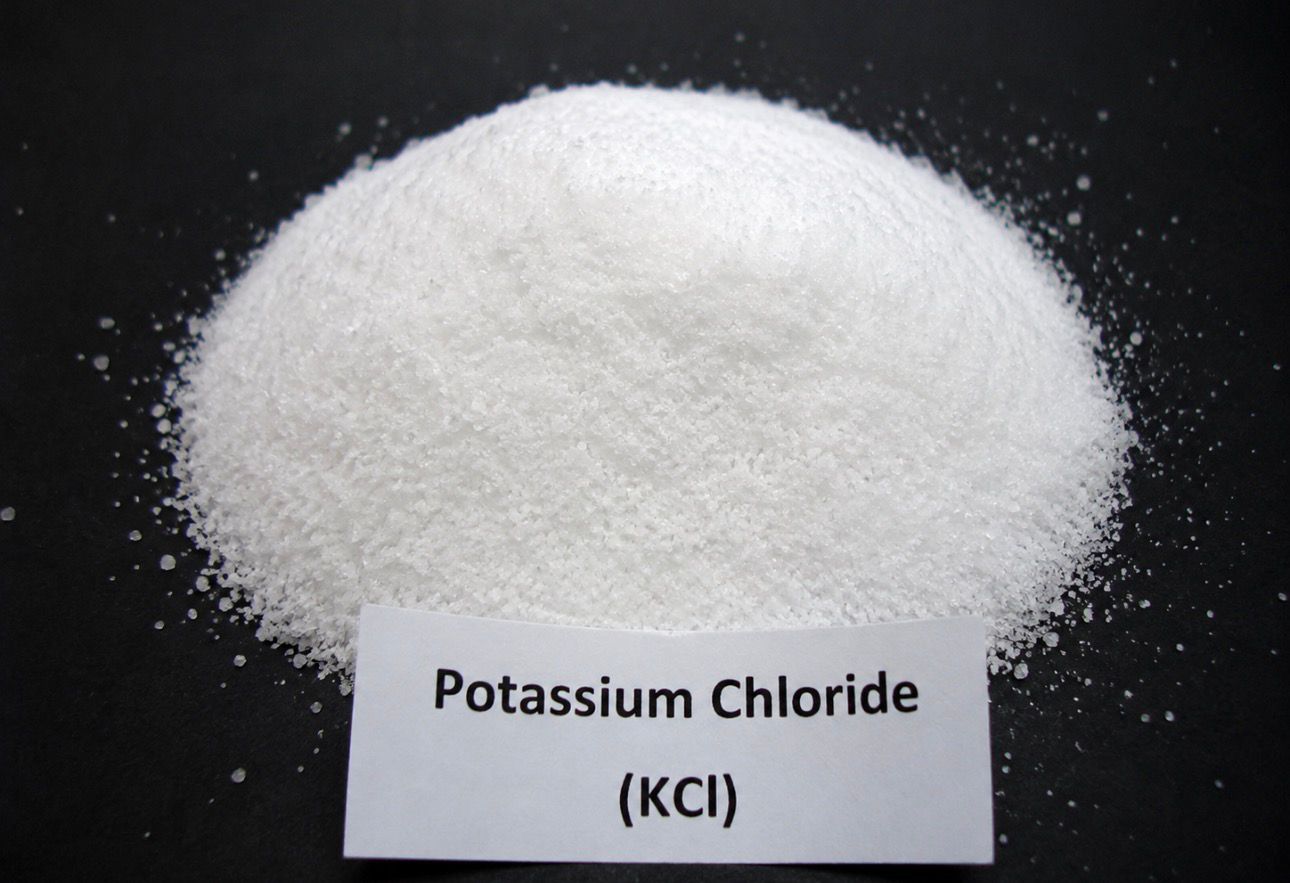
| Appearance | White crystalline powder or granules |
| Solubility in Water (25°C) | ~340 g/L |
| Density | 1.98 g/cm³ |
| pH (1% solution) | 6.0 – 8.0 (Neutral) |
| Melting Point | 770 °C |
| CAS Number | 7447-40-7 |
Mechanism of Action
The primary mechanism by which KCL inhibits shale hydration is ion exchange and pore pressure reduction:
- K⁺ Ion Substitution: Potassium ions (K⁺) replace water molecules and sodium ions (Na⁺) in the interlayer spaces of clay minerals (mainly montmorillonite). Due to the similar ionic radius of K⁺ to the hexagonal oxygen rings of clay structures, K⁺ fits tightly into clay lattice positions, effectively collapsing and stabilizing the clay layers.
- Osmotic Pressure Control: In KCL/polymer systems, the high ionic activity of the KCL solution creates an osmotic gradient that draws water out of reactive shale formations into the wellbore fluid, reducing pore pressure and minimizing swelling.
- Electrostatic Interaction: The positive K⁺ ions neutralize the negative surface charges of clay platelets, reducing interparticle repulsion and inhibiting dispersion.
Applications in Drilling Operations
KCL is primarily used in the following drilling scenarios:
- Shale and Clay-Rich Formations: Drilling through reactive shales, gumbo clays, and swelling formations where wellbore instability is a concern.
- KCL/Polymer Mud Systems: KCL is the base inhibitor in KCL-PHPA (Partially Hydrolyzed Polyacrylamide) systems, one of the industry’s most widely used inhibitive mud systems.
- Horizontal and Directional Drilling: Where extended exposure of formations to drilling fluid requires superior inhibition.
- Deepwater and HPHT Wells: In combination with other inhibitors for complex wellbore environments.
- Pre-flush and Spotting Fluid: Used as a spotting fluid in sections with active swelling clays.
KCL Concentration and Treatment Levels
The concentration of KCL in drilling fluids is typically expressed as weight percent (wt%) of the total water phase:
| Application | KCL Concentration |
|---|---|
| Mild Clay Inhibition | 3 – 5 wt% |
| Standard Shale Inhibition | 5 – 10 wt% |
| High-Inhibition KCL/Polymer System | 10 – 15 wt% |
| Near-Saturated Brine System | Up to 24.5 wt% (saturation limit) |
Note: Concentrations above 15 wt% may negatively affect polymer performance and increase corrosion risk. Optimum concentration should be determined through laboratory testing (e.g., linear swell meter tests, cuttings dispersion tests).
KCL/Polymer Mud System — Formulation Overview
The KCL/Polymer system is one of the most widely used WBM inhibitive systems globally. A standard formulation includes:
| Additive | Function | Typical Concentration |
|---|---|---|
| KCL | Primary shale inhibitor | 5 – 15 wt% |
| PHPA (e.g., AN-125) | Encapsulator / viscosifier | 0.5 – 2.0 lb/bbl |
| XC Polymer (Xanthan Gum) | Rheology modifier | 0.5 – 1.5 lb/bbl |
| PAC-LV | Filtration control (low viscosity) | 1 – 3 lb/bbl |
| PAC-HV | Viscosity / filtration control | 0.5 – 2 lb/bbl |
| Potassium Carbonate (K₂CO₃) | pH / calcium control | As needed |
| Barite (BaSO₄) | Density control (weighting agent) | As required |
Advantages of KCL in Drilling Fluids
- Highly effective shale inhibition — particularly for smectite and illite-smectite mixed-layer clays
- Environmentally acceptable — KCL is relatively non-toxic and widely approved for offshore use
- Cost-effective — low cost per barrel compared to oil-based mud (OBM) systems
- Compatible with most polymers — works synergistically with PHPA, XC, PAC, and CMC
- Improved wellbore stability — reduces tight hole conditions, stuck pipe, and NPT (Non-Productive Time)
- Reduced formation damage — minimizes clay swelling near the wellbore in production zones
Limitations and Considerations
- Corrosion: High KCL concentrations increase the corrosivity of the fluid; corrosion inhibitors should be included in the system.
- Environmental Regulations: Discharge of KCL-based fluids may be restricted in some jurisdictions; check local regulations before use.
- Potassium Precipitation: In formations with high calcium or sulfate concentrations, precipitation of insoluble salts may occur.
- Temperature Sensitivity: At high temperatures (HPHT), additional inhibitors may be required to maintain system stability.
- Polymer Degradation: Excessive KCL concentrations (>15%) can impair polymer performance and reduce viscosity.
Quality Specifications — KCL for Drilling Grade
| Parameter | Specification |
|---|---|
| KCl Content (min.) | ≥ 99.0 wt% |
| NaCl (max.) | ≤ 0.5 wt% |
| Moisture (max.) | ≤ 0.5 wt% |
| Insolubles (max.) | ≤ 0.1 wt% |
| Particle Size | Granular or powder (as specified) |
| Packaging | 25 kg bags / Jumbo bags (1000 kg) |
Standards and References
- API RP 13B-1: Recommended Practice for Field Testing Water-Based Drilling Fluids
- API Spec 13A: Specification for Drilling Fluids Materials
- ISO 13500: Petroleum and Natural Gas Industries — Drilling Fluid Materials
Related Products
- PAC-LV (Low Viscosity Polyanionic Cellulose)
- PAC-HV (High Viscosity Polyanionic Cellulose)
- CMC (Carboxymethyl Cellulose)
- Bentonite
For technical inquiries, product specifications, or pricing, please contact our team.
