Carboxymethyl Cellulose (CMC): Technical Guide, Specifications & Industrial Uses
What is Carboxymethyl Cellulose (CMC)?
Carboxymethyl Cellulose (CMC) is a water-soluble, anionic polysaccharide derived from cellulose through chemical etherification. It is widely used as a rheology modifier, fluid loss controller, and stabilizing agent in various industries.
Due to its tunable properties, CMC is one of the most important hydrocolloids in industrial formulations.
Molecular Structure and Functional Mechanism
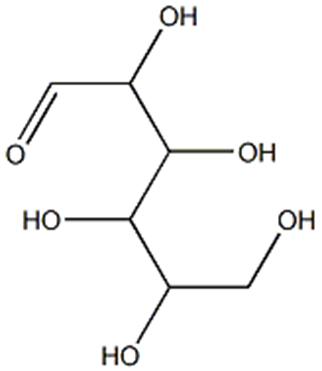
CMC is formed by introducing carboxymethyl (-CH₂-COO⁻) groups into the cellulose backbone. This modification significantly enhances water solubility and allows strong hydrogen bonding with water molecules.
Key Functional Parameters:
🔹 Degree of Substitution (DS)
- Range: 0.4 – 1.4
- Controls solubility and performance
- Higher DS → Better hydration and viscosity
🔹 Viscosity
- Measured in mPa·s (Brookfield method)
- Determines flow behavior and application suitability
🔹 Particle Size
- Affects dissolution rate
- Fine mesh → Faster hydration
Rheological Behavior of CMC
CMC exhibits non-Newtonian, pseudoplastic behavior:
- High viscosity at low shear rates
- Reduced viscosity under shear (shear thinning)
👉 This property is critical in:
- Drilling fluids (easy pumping)
- Food systems (smooth texture)
Technical Specifications of CMC
| Parameter | Typical Range |
|---|---|
| Purity | 55% – 99% |
| Viscosity | 10 – 10,000 mPa·s |
| pH (1% solution) | 6.0 – 8.5 |
| Moisture | ≤ 10% |
| DS | 0.6 – 1.2 |
CMC in Oil & Gas Drilling Fluids
CMC is a key additive in water-based drilling muds.
Functions:
- Fluid loss control
- Viscosity enhancement
- Shale stabilization
Performance Benefits:
- Reduces filtration into formations
- Improves wellbore stability
- Enhances cuttings transport
Types Used:
- Low Viscosity CMC (LV-CMC)
- High Viscosity CMC (HV-CMC)
CMC vs PAC (Technical Comparison for SEO Ranking)
| Property | CMC | PAC |
|---|---|---|
| Polymer Structure | Cellulose ether | Modified cellulose |
| Salt Resistance | Moderate | High |
| Cost Efficiency | High | Medium |
| Filtration Control | Good | Excellent |
Application-Specific Performance
🔹 In Food Systems
- Controls water activity
- Prevents syneresis
- Improves texture stability
🔹 In Detergents
- Acts as anti-redeposition agent
- Keeps dirt suspended
🔹 In Paints
- Stabilizes pigment dispersion
- Improves brushability
How to Select the Right CMC Grade?
Choosing the correct grade depends on:
1. Application Type
- Drilling → High viscosity, salt-resistant
- Food → High purity, low salt
2. Required Viscosity
- Low viscosity → Detergents
- High viscosity → Drilling fluids
3. DS Level
- Higher DS → Better solubility
Storage and Handling
- Store in dry conditions
- Avoid humidity exposure
- Use sealed packaging
Shelf life typically: 2 years
Global Market Insights (SEO Boost Section)
The demand for CMC is increasing globally due to:
- Growth in oil drilling activities
- Expansion of processed food industry
- Rising detergent production
Key markets:
- Middle East
- Africa
- Asia-Pacific
Why CMC is Critical in Modern Industry
CMC offers a unique combination of:
- Performance flexibility
- Cost efficiency
- Environmental safety
It is considered a strategic additive in multiple industries.
FAQ (Rich Snippet Ready)
What is CMC in drilling?
CMC is used to control fluid loss and improve viscosity in drilling mud.
What viscosity of CMC is best?
Depends on application; drilling typically requires medium to high viscosity.
Is CMC biodegradable?
Yes, it is derived from natural cellulose and is environmentally friendly.
What is DS in CMC?
Degree of substitution indicates how many hydroxyl groups are replaced in cellulose.
References (Authority Signals for Google)
- Food and Agriculture Organization (FAO)
- U.S. Food & Drug Administration (FDA)
- PubChem (NIH)
- ScienceDirect (Elsevier)